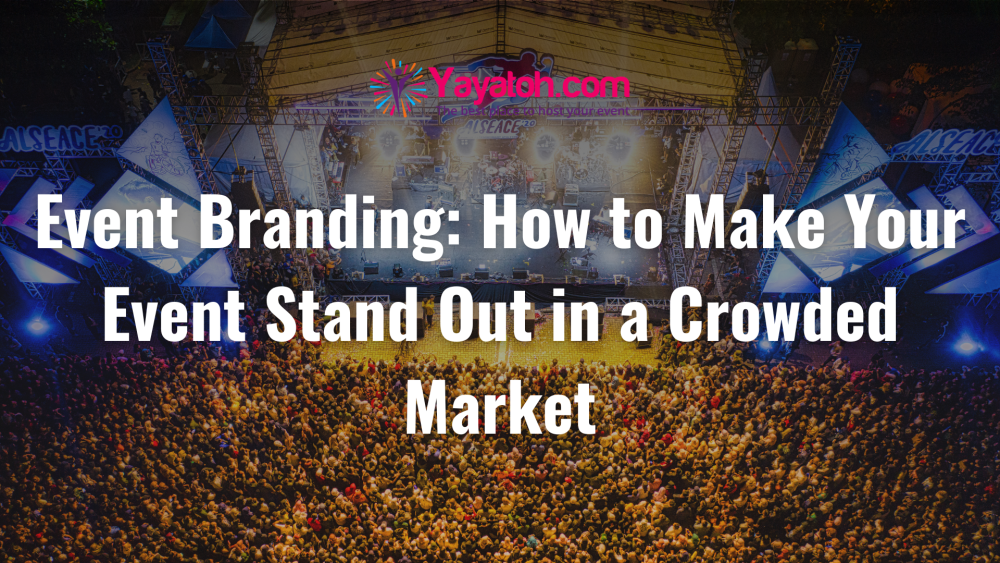
In today’s event landscape, attention is harder to earn than ever. Whether you’re organizing a corporate conference, trade show, hybrid summit, or community gathering, your audience is constantly being pulled in different directions by competing experiences. The reality is simple: people no longer attend events just because they exist. They attend events that feel meaningful, well-designed, and worth remembering.
This is where event branding becomes the difference between an event that fades into the background and one that builds lasting impact.
Event branding is not just a visual exercise or a marketing add-on. It is the foundation of how your event is perceived before it begins, experienced while it is happening, and remembered long after it ends. It influences everything—from your registration page and speaker lineup to the lighting in the room and the tone of your follow-up emails.
For event organizers in the U.S., where competition is especially strong and audiences are highly selective, strong branding is no longer optional. It is essential.
Event Branding Is More Than Design—It Is Experience
Many organizers mistakenly think event branding is just about logos, colors, or promotional graphics. While those elements matter, they only represent the surface level of branding.
At its core, event branding is about creating a consistent emotional and sensory experience. It is how people feel when they first see your event online, how they interact with it during registration, how they engage with sessions, and how they describe it afterward.
A well-branded event feels intentional at every step. The messaging aligns with the visuals. The visuals align with the atmosphere. And the atmosphere aligns with the purpose of the event itself.
When these elements are disconnected, attendees notice—even if they cannot clearly explain why something feels off. On the other hand, when everything aligns, the event feels seamless, professional, and memorable.
Why Strong Event Branding Matters More Than Ever
The modern event industry has shifted dramatically over the past few years. Hybrid events, virtual platforms, and social media amplification have expanded reach, but they have also increased competition. Your event is not just competing with similar events anymore—it is competing with every other form of digital and in-person entertainment your audience has access to.
This is why branding plays a critical role in decision-making.
A strong event brand builds trust before someone even registers. It communicates professionalism, relevance, and value instantly. It also influences whether attendees choose your event over another one happening at the same time.
Beyond attendance, branding affects engagement. Attendees are far more likely to participate, network, and share content when they feel emotionally connected to the event experience. That emotional connection is what turns a one-time attendee into a returning participant or even an advocate for your brand.
In practical terms, strong event branding directly impacts ticket sales, sponsorship opportunities, and long-term growth.
The Foundation of a Memorable Event Brand
Every successful event brand starts with clarity. Before thinking about visuals or promotion, you need to define what your event actually represents.
This begins with purpose. Why does your event exist? What transformation should attendees experience? What problem are you solving or what opportunity are you highlighting?
Once this is clear, everything else becomes easier to align.
The theme of your event should naturally emerge from this purpose. A strong theme is not just a catchy phrase—it is a guiding narrative that shapes your entire event experience. It influences your content, your speakers, your design direction, and even how you structure your agenda.
Alongside the theme, consistency becomes essential. Every touchpoint, from emails to stage design, should reflect the same identity. When consistency is missing, the brand feels fragmented, and the experience loses impact.
Designing an Experience People Remember
What separates average events from exceptional ones is not the number of sessions or speakers—it is the experience design.
People may forget individual presentations, but they remember how an event made them feel. That feeling is created through intentional experience design.
For example, the way attendees enter the venue sets the tone immediately. The design of the welcome area, the clarity of signage, and even the energy of the staff contribute to first impressions. Similarly, the pacing of sessions, the transitions between speakers, and the opportunities for interaction all shape engagement.
Modern attendees also expect events to be interactive rather than passive. This is why successful organizers are increasingly designing experiences that encourage participation rather than observation. Whether through networking moments, live Q&A sessions, or interactive installations, engagement is becoming the standard rather than the exception.
The Role of Digital Presence in Event Branding
In many cases, your digital presence is the first interaction people will have with your event. Long before they enter a venue or join a virtual session, they are evaluating your website, landing page, and social media presence.
If these elements feel outdated, inconsistent, or unclear, it creates hesitation.
A strong digital presence communicates professionalism and builds anticipation. It should clearly explain what the event is about, who it is for, and why it matters. At the same time, it should reflect the same identity and tone as the physical or virtual event itself.
This consistency builds trust and helps audiences feel confident in their decision to attend.
Emotional Storytelling Is What Makes Events Stick
Facts inform people, but stories move them.
The most successful event brands are built on storytelling. They do not simply present schedules or topics—they create a narrative around transformation.
This narrative answers a deeper question for the audience: what will change for me if I attend this event?
When that answer is clear and emotionally compelling, attendance becomes easier to justify. People are no longer just signing up for sessions—they are signing up for outcomes, experiences, and opportunities.
Storytelling also extends beyond the event itself. It shapes how you communicate before the event and how you reinforce value afterward. This ongoing narrative helps build long-term brand recognition.
Why Execution Matters as Much as Strategy
Even the best branding strategy can fail if execution is inconsistent. Many organizers understand what they want to achieve but struggle to maintain alignment across multiple tools and platforms.
This is where event technology plays a critical role.
Modern event organizers need systems that bring everything together—registration, branding, communication, and engagement. Without this integration, branding often becomes fragmented across different tools, making it harder to maintain consistency.
This is one of the reasons platforms like Yayatoh have become valuable for event organizers.
Yayatoh helps organizers centralize the entire event experience in one place. Instead of managing separate tools for registration pages, attendee communication, and event presentation, everything is handled within a unified system. This allows organizers to maintain consistent branding from the first marketing touchpoint all the way through to post-event engagement.
More importantly, it reduces the technical complexity that often distracts from creative and strategic planning. When execution becomes simpler, organizers can focus more on designing meaningful experiences rather than managing disconnected systems.
For event organizers in the U.S. market—where expectations are high and competition is intense—this kind of streamlined execution can significantly improve both professionalism and attendee experience.
Common Reasons Event Branding Fails
Even experienced organizers sometimes struggle with event branding, and the reasons are often avoidable. One of the most common issues is inconsistency. When messaging, visuals, and experience do not align, attendees feel confusion rather than clarity.
Another issue is overcomplication. Some events try to do too much, introducing multiple themes or messages that dilute the core identity. Instead of strengthening the brand, this creates noise.
A third challenge is focusing too heavily on aesthetics while neglecting experience. Beautiful visuals alone cannot carry an event if the experience feels disorganized or uninspired.
Finally, many organizers overlook what happens after the event ends. Strong branding continues even after the final session, through follow-ups, content sharing, and community building.
Final Thoughts
Event branding is no longer a secondary consideration—it is the core of successful event strategy. In a competitive environment where audiences have endless options, the ability to create a clear, consistent, and emotionally engaging experience is what sets standout events apart.
The most effective event brands are not built on decoration or marketing alone. They are built on clarity of purpose, consistency of experience, and emotional connection with attendees.
And as event complexity continues to grow, platforms like Yayatoh make it easier for organizers to bring all of these elements together in a unified and professional way.
At the end of the day, people may forget the schedule. They may forget the speakers. But they will never forget how your event made them feel—and that is what great event branding is all about.